
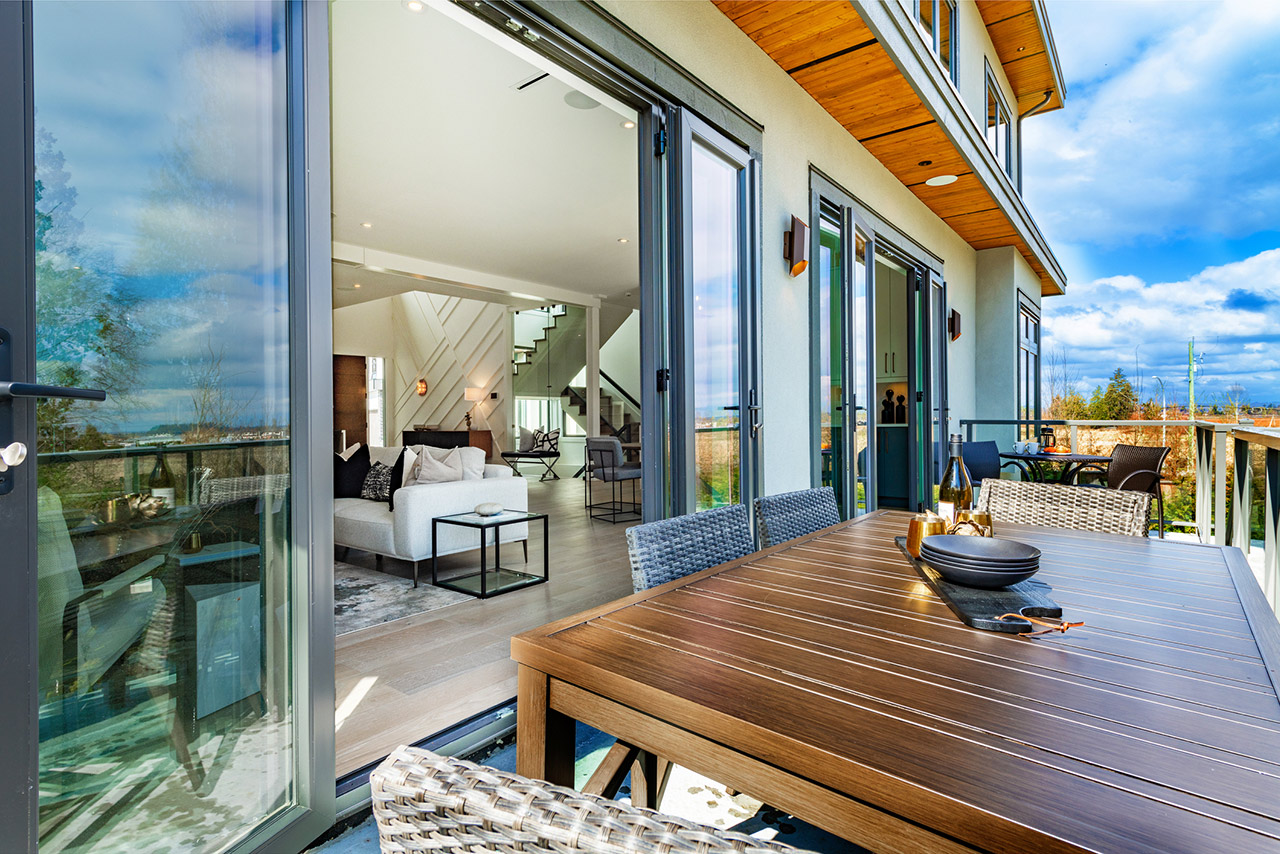
Not long ago, homebuying decisions revolved around a fairly standard checklist: commute times, school districts, and price per square foot. While those factors still matter, today’s buyers are placing a growing emphasis on something less tangible—but far more personal: lifestyle.
From how we work to how we unwind, the way people live has fundamentally shifted. And in response, real estate decisions are following suit.
The Shift from “Where You Have to Live” to “How You Want to Live”
Remote and hybrid work have untethered many buyers from the need to live near a specific office. Without the daily commute dictating location, buyers are free to prioritize what their day-to-day life actually looks like.
For some, that means moving closer to nature—trading urban density for hiking trails, water views, or more outdoor space. For others, it’s about staying in vibrant, walkable neighborhoods filled with restaurants, culture, and community energy.
The common thread? People are choosing homes that support the life they want—not just the job they have.
Homes Are Doing More Than Ever Before
Today’s homes are no longer just places to eat and sleep—they’re multifunctional environments. Buyers are looking for spaces that can adapt to a variety of needs, such as:
This evolution has made functionality just as important as aesthetics. A beautiful home is great—but a home that works for your lifestyle is essential.
Wellness Is a Priority
Health and well-being are playing a larger role in homebuying decisions than ever before. Buyers are increasingly drawn to features that promote a sense of balance and comfort, including:
It’s not just about owning a home—it’s about how that home makes you feel on a daily basis.
Community and Connection Matter
While some buyers are seeking privacy and space, others are prioritizing connection. Proximity to coffee shops, parks, fitness studios, and social hubs can be just as influential as square footage.
Neighborhoods are being evaluated through a lifestyle lens:
These questions are becoming central to the decision-making process.
The Rise of Personalization
There’s no longer a one-size-fits-all definition of the “perfect home.” What works for one buyer may not work for another—and that’s the point.
Some buyers want minimalist, low-maintenance living. Others want space to host, garden, or grow. Some prioritize proximity to the beach, while others want mountain views or suburban quiet.
Real estate has become deeply personal, with lifestyle acting as the guiding filter.
What This Means for Sellers
For sellers, this shift presents an opportunity. Highlighting lifestyle—not just features—can make a property far more compelling.
Instead of simply listing specs, consider:
Helping buyers envision their life in a home is often what turns interest into action.
Final Thoughts
Lifestyle isn’t just influencing real estate decisions—it’s redefining them. Buyers today are more intentional, more self-aware, and more focused on aligning their home with their values and daily habits.
In a market full of options, the homes that stand out aren’t always the biggest or the newest—they’re the ones that feel right.
Because at the end of the day, people aren’t just buying properties—they’re choosing how they want to live.
